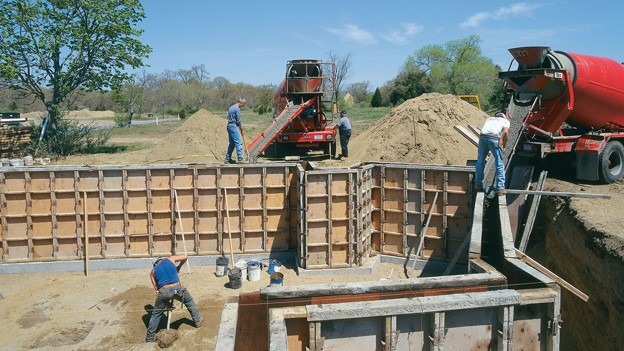
Most foundation problems are already in motion before the concrete even hardens. The visible damage comes later. A crack in drywall, a floor that suddenly feels uneven, water creeping into a basement corner after heavy rain. Those are usually symptoms of mistakes made during excavation, forming, or site preparation. Once concrete is poured, every shortcut gets locked in place. That is why the early stages matter so much in concrete foundation forming in Chilliwack, where wet ground conditions and seasonal moisture shifts can quietly test the stability of a structure year after year.
A foundation is only as reliable as the soil underneath it. That sounds obvious, but poor compaction still shows up constantly on failed projects. Some crews rush through excavation because the ground looks stable enough on the surface. Then months later, the settling begins. One side of the structure drops slightly, pressure builds unevenly, and small cracks start working their way through the concrete and framing. We have seen cases where the actual concrete was poured correctly, but the base underneath was never properly prepared in the first place. No foundation performs well when the ground below it shifts every winter.
Formwork does not get much attention outside the industry, but it decides whether a foundation stays true during the pour. Wet concrete is incredibly heavy. If forms are poorly braced or measurements are rushed, walls can move out of alignment before the concrete sets. Even minor movement matters. A foundation that is off by a small margin early on can create framing complications all the way through the build. Experienced crews know that forming is not just about holding concrete in place. It is about controlling pressure, weight, spacing, and consistency from start to finish. That attention to detail is one reason companies like SMD Concrete Forming put so much emphasis on careful layout work before concrete trucks even arrive on site.
Water is patient. It does not need a dramatic opening to create damage. Poor drainage around a foundation slowly softens the surrounding soil, increases hydrostatic pressure, and gives moisture repeated opportunities to work against the concrete. In Chilliwack, where rainfall stays consistent through much of the year, grading mistakes tend to show themselves sooner rather than later. We often see water pooling near foundations because the runoff direction was treated like an afterthought during construction. The same problem appears on exterior flatwork projects, too, especially pool decks forming in Chilliwack, where incorrect slope angles leave standing water sitting against the surface after every storm.
Rebar placement is one of those details homeowners rarely see, but structural performance depends heavily on it. Reinforcement has to sit at the correct depth and spacing to distribute loads properly through the slab or wall. When bars shift during the pour, get spaced too far apart, or are reduced to cut costs, the concrete becomes far more vulnerable to cracking under stress. Common problems during forming and reinforcement include:
Concrete needs time. There is no shortcut around that. Fresh concrete that dries too quickly or gets exposed to excess moisture before curing properly can lose long-term strength. Some contractors move aggressively to stay on schedule, especially during busy construction months, but rushed curing almost always catches up eventually. Surface cracking, weakened edges, and scaling are often tied directly to poor curing conditions. A foundation may look solid during the first year while internal weakness slowly develops underneath.
Good concrete work rarely announces itself. You usually notice it years later when everything still sits level, drains properly, and survives another wet season without movement or cracking. The opposite is true for bad forming work. Those mistakes tend to grow more expensive with time. The same principles apply to outdoor concrete, too, including pool decks forming in Chilliwack, where drainage, slope, and structural support all matter far more than appearance alone.
If you are planning new construction or dealing with signs of settlement around your property, now is the time to address the problem before it spreads further. Contact us today to discuss your project and get concrete work built with proper preparation, accurate forming, and long-term durability in mind.
Foundation cracks often start with poor soil preparation, weak drainage planning, or rushed curing during the early construction stages. Even small mistakes during forming can create long-term structural movement.
Water buildup around a foundation slowly weakens the surrounding soil and increases pressure against the concrete walls. Over time, that moisture can lead to cracks, leaks, and uneven settling.
Proper excavation, soil compaction, reinforcement placement, and grading all help reduce the risk of future settlement. Careful preparation before the pour usually determines how stable the structure remains years later.
Yes, weak or misaligned formwork can shift during the concrete pour and create uneven walls or structural inconsistencies. Once the concrete sets, those errors become difficult and expensive to correct.
Concrete continues gaining strength long after the surface appears dry. Most foundations require controlled curing conditions for several days to reduce cracking and improve long-term durability.