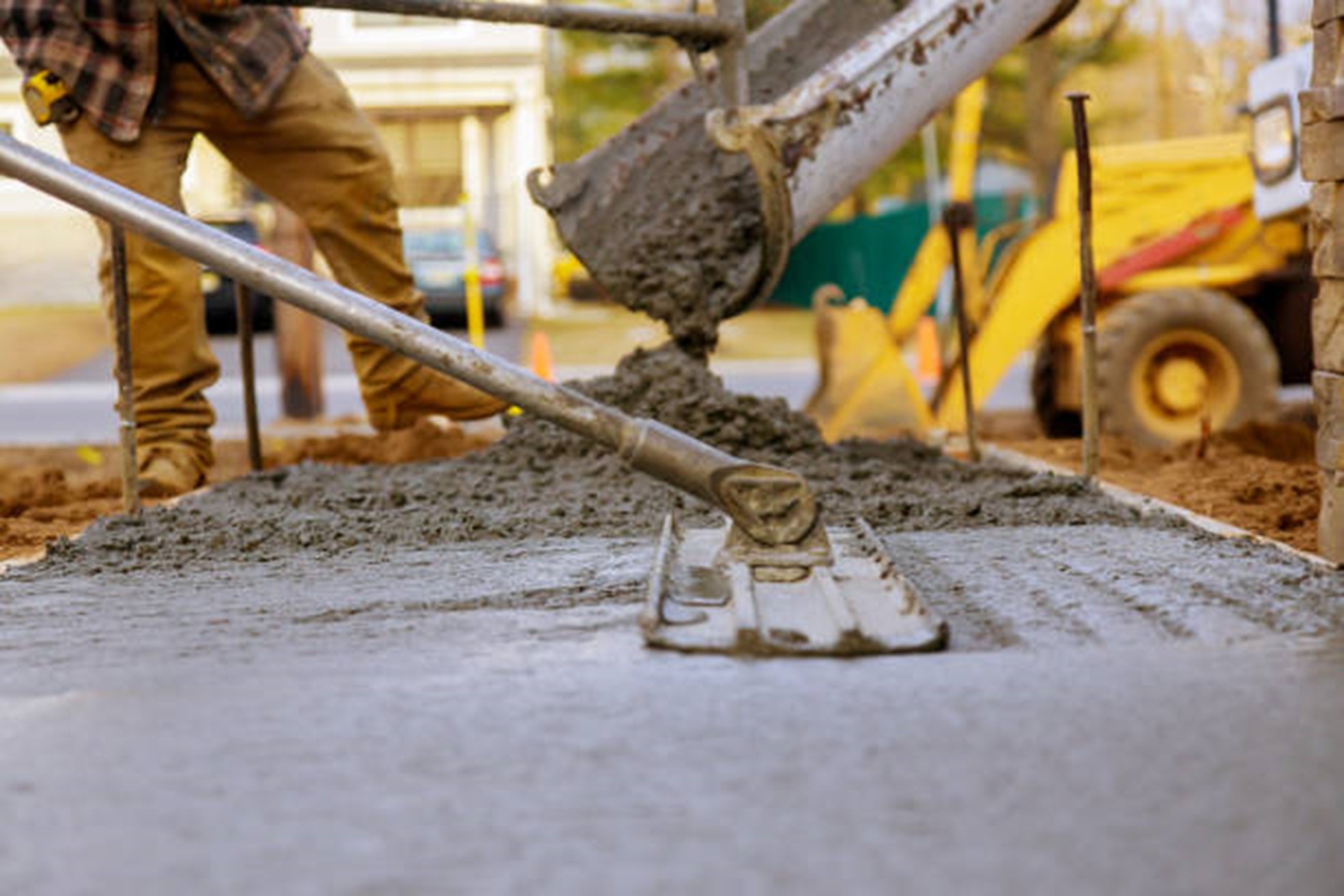
Concrete has a reputation for being tough. And it is. But toughness comes from preparation, not just material strength. The soil beneath it, the reinforcement inside it, the way it’s poured, finished, and cured, those details decide whether it lasts five years or fifty. That’s why serious homeowners look for professional residential concrete services instead of the lowest bid. At SMD Concrete Forming, we’ve seen what happens when corners are cut. Hairline cracks that widen after one winter. Steps that settle because the base wasn’t compacted properly. Retaining walls that lean slightly just enough to worry you. Most of those problems start before the concrete is even poured.
A foundation isn’t glamorous. No one compliments it at a backyard gathering. But it carries everything. Proper excavation, base preparation, and reinforcement placement aren’t optional details. Soil shifts. Water moves. Freeze-thaw cycles apply pressure from below and from the sides. If the base isn’t compacted correctly or the rebar isn’t positioned accurately, the concrete will respond. It always does. With professional residential concrete services, the focus stays on structural integrity from the start. At SMD Concrete Forming, we take time with layout and forming because alignment errors don’t fix themselves later. The pour is just one part of the process. Preparation is where durability begins.
Retaining walls don’t fail dramatically at first. They creep. A slight tilt. A crack near the base. Efflorescence showing moisture movement. These are warnings. Soil exerts real force, especially when saturated. Without drainage systems behind the wall, hydrostatic pressure builds up and pushes outward. Reinforcement spacing, footing depth, and backfill choice all matter. Skip one of those steps, and the wall may hold for a while, until a heavy rain tests it. Quality residential concrete services account for long-term load, not just appearance. We design retaining walls to manage water properly and resist soil pressure over time. It’s not complicated work, but it does require discipline and experience.
Exterior stairs take abuse. Foot traffic, snow removal, temperature swings, de-icing salts, all of it adds up. If the slope is slightly off or water pools near the edges, deterioration accelerates.We’ve rebuilt plenty of stairs that failed early because curing was rushed or reinforcement was minimal. A well-built set of concrete steps feels solid underfoot. No hollow sound. No movement. Just stability.
That’s the difference careful residential concrete services make. At SMD Concrete Forming, we reinforce properly, slope for drainage, and finish surfaces with traction in mind. Good stairs shouldn’t be something you think about. They should just work.
Concrete problems rarely show up immediately. They surface slowly, cracks widening, edges chipping, mand inor settlement becoming noticeable. Repairs are almost always more disruptive and costly than doing it properly the first time. We don’t believe in rushing jobs to fit more into a week. Cure time matters. Compaction matters. Reinforcement matters. It’s a basic construction discipline, but it’s surprising how often it’s skipped. Choosing professional residential concrete services is less about spending more and more about avoiding avoidable repairs.
If you’re planning a foundation, retaining wall, or need an experienced stairs contractor, work with a team that understands how concrete behaves over decades, not just days. SMD Concrete Forming approaches every project with long-term durability in mind because that’s what homeowners actually need. Contact SMD Concrete Forming today to discuss your project. Let’s build something that stays solid long after the forms come off.
With proper installation and drainage, concrete foundations, retaining walls, and stairs commonly last 30 to 50 years or more.
Poor base preparation, inadequate reinforcement, rushed curing, and drainage issues are the most common causes.
Yes. Without drainage, water pressure builds behind the wall and significantly increases the risk of structural failure.
Light foot traffic is typically safe within 24 to 48 hours, but full structural strength develops over approximately 28 days.
Even smaller pours require proper grading, reinforcement, and curing. Mistakes at that scale can still lead to long-term structural issues.